Belgian Port Supply Desk
supply@shipsupplyantwerp.com
Ship Supply Antwerp - Marine Ship Chandler in Belgium
Belgian Port Coverage

Ship Chandler & Ship Supply Across Belgium's Key Ports.

Ship chandler, marine stores and technical supply support for commercial vessels calling Antwerp, Ghent, Zeebrugge and Oostende.

Supply Desk

Send vessel details, port of call, ETA and requisition files for coordinated supply review.

Request Quote arrow_forward
Port Directory

Select Your Port of Call

Explore dedicated ship supply information for Antwerp, Ghent, Zeebrugge and Oostende and send vessel requirements directly through our RFQ desk.

Request Supply Quote arrow_forward
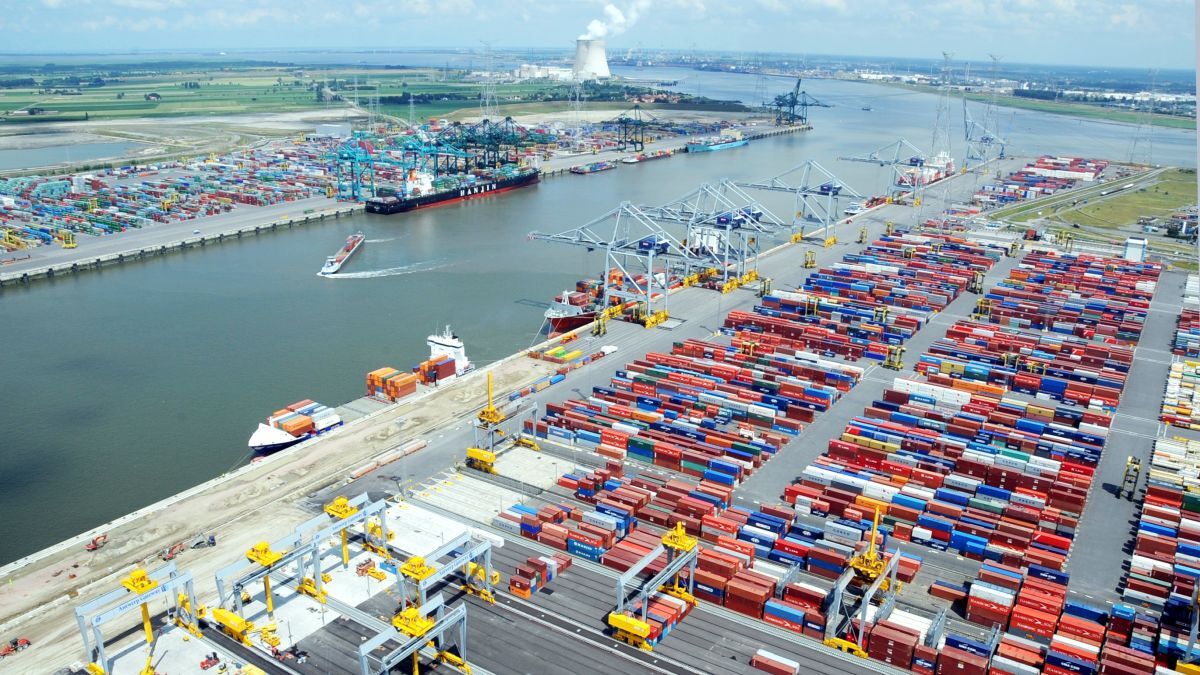
Ship supply Antwerp Belgium
Primary Belgian Port
01
Ship Supply • Belgium

Ship Supply Antwerp

Ship chandler and ship supply support in Antwerp, Belgium, for vessel provisions, bonded stores, deck and engine stores, safety equipment, marine chemicals, technical supplies and spare parts.

Ship Supply Antwerp provides coordinated ship chandler and marine procurement support for commercial vessels calling the Antwerp port area. Antwerp forms part of Port of Antwerp-Bruges, one of Europe’s major maritime, logistics and industrial gateways, handling a broad mix of container, breakbulk, vehicle, bulk and industrial traffic. This variety means vessel requirements can differ significantly from one port call to another. A container vessel may need crew provisions, bonded stores and urgent engine consumables, while a tanker, general cargo vessel, bulk carrier, heavy-lift vessel or project vessel may require a more technical combination of deck stores, PPE, hoses, valves, tools, chemicals, lubricants and spare parts. For that reason, our Antwerp ship supply process is built around the actual vessel schedule, berth or terminal information, ETA, requested delivery window and the complete requisition received from the owner, manager, operator, superintendent, purchaser or vessel master. Provisions for vessels calling Antwerp can include fresh fruit and vegetables, meat, poultry, seafood, dairy products, frozen goods, dry stores, bakery products, beverages, bottled water, galley consumables and other crew catering requirements. Where chilled or frozen products are requested, the quotation and delivery plan can be organised according to the timing of the port call so that perishable stores are handled as practically as possible. Cabin and accommodation requirements may include cleaning products, paper goods, laundry items, bedding, kitchen utensils, tableware and general consumables used by the crew during daily operation. Bonded store enquiries can also be included within the same RFQ so that purchasing teams can consolidate several departments and categories into one Antwerp vessel supply request. Deck and engine departments often require a more technical review. Deck store requests may cover mooring ropes, wire ropes, shackles, slings, hoses, paints, brushes, rollers, protective coatings, fasteners, hand tools, abrasives, maintenance consumables, safety signs and general marine hardware. Engine store requirements can include filters, bearings, gaskets, seals, pumps, valves, pipes, fittings, hoses, lubricants, greases, electrical components, batteries, workshop materials and machinery consumables. Where the vessel needs an exact spare part or replacement component, the RFQ should include the maker, model, serial number, part number, drawing, photo, dimensions or IMPA reference whenever available. These technical details reduce the risk of quoting an unsuitable alternative and allow the supply desk to compare equivalent products more accurately before delivery. Safety equipment and PPE can form an important part of Antwerp ship chandling requirements. Requisitions may include helmets, gloves, safety footwear, protective clothing, eye protection, respiratory protection, life-saving consumables, fire-safety items, first-aid products and other onboard safety requirements. Marine chemicals and cleaning products can also be sourced according to the requested application, pack size and specification. Typical enquiries may include degreasers, tank or deck cleaning chemicals, maintenance chemicals, water-treatment products, solvents and general industrial cleaners. Because chemical products can be specification-sensitive, the vessel should provide the exact product name or intended application when possible so that the quotation clearly identifies the proposed product. Technical procurement is particularly important when the vessel’s request cannot be treated as a standard chandlery order. Ship Supply Antwerp can review vessel-specific requirements for spare parts, electrical items, workshop equipment, valves, pumps, fittings, hoses, refrigeration and HVAC components, nautical publications and other marine supplies. The most useful RFQs normally include the vessel name, IMO number, port of call, ETA, ETD where known, berth or terminal information, agent contact details, requested delivery date and a clear itemised requisition. Photos, technical drawings and existing nameplate details are especially useful for non-standard machinery or electrical items. When this information is supplied early, sourcing can begin before the vessel reaches Antwerp and the purchasing team can receive clearer feedback on availability, lead time and possible alternatives. Delivery planning in Antwerp should always follow the confirmed vessel schedule. A quotation can only be operationally useful when the receiving location, port call status and available delivery window are understood. Berth changes, terminal access procedures, late vessel arrival, sailing-time changes or urgent onboard requirements can all affect the final supply plan. For this reason, communication between the purchasing office, vessel, agent and supply desk is important throughout the order. Our role is to coordinate the marine supply requirement around the information provided and to keep the quotation connected to the real port call rather than treating it as a generic warehouse order. For owners and ship managers looking for a Ship Chandler Antwerp contact, the most efficient starting point is a complete RFQ. Send the vessel details, Antwerp ETA, berth or terminal when available, delivery date and the full requisition in Excel, PDF or Word format. Different departments can be combined in one request, including provisions, bonded stores, cabin stores, deck stores, engine stores, safety equipment, electrical supplies, chemicals, lubricants, tools and technical spare parts. This creates one clear procurement workflow and helps avoid separate fragmented enquiries for the same vessel call. Our objective for Ship Supply Antwerp is practical coordination, clear item descriptions and a quotation that reflects the actual vessel requirement. We do not rely on generic claims or one-size-fits-all lists. Each Antwerp RFQ is reviewed according to the products requested, technical specifications, timing and delivery information supplied by the client. Whether the requirement is routine crew provisions, a mixed deck-and-engine order, urgent PPE, marine chemicals or a hard-to-source spare part, early communication gives the best opportunity to organise the requirement efficiently before the vessel’s sailing schedule becomes critical. Ship Chandler Antwerp enquiries often arrive from ship owners, technical managers, fleet managers, purchasing departments, superintendents and masters who need several categories quoted under one port call. A useful Antwerp Ship Chandler request should therefore be structured around the vessel rather than around individual products. The same vessel may need food stores for the galley, cabin consumables for accommodation, deck hardware for maintenance, engine-room consumables for planned work, PPE for the crew and a technical spare part that needs maker-level identification. When all these requirements are combined in a single Ship Supply Antwerp RFQ, the procurement process becomes easier to review and the relationship between product availability, delivery timing and vessel schedule is clearer. Ship Supply Antwerp for provisions should be treated as more than a grocery order. Commercial vessels may request fresh vegetables, fruits, meat, poultry, seafood, eggs, dairy products, frozen food, dry provisions, canned goods, cereals, flour, cooking oil, spices, bakery products, beverages, bottled water, juices and crew-specific dietary items. Quantities can vary substantially depending on crew size, voyage duration and the next expected supply port. A detailed provision requisition allows a Ship Chandler Antwerp quotation to distinguish requested brand, unit size, packing and acceptable alternatives instead of offering generic substitutions without context. For vessels with multicultural crews, the list may also contain nationality-specific or dietary products that should be identified clearly before final confirmation. Bonded stores and cabin stores can be included within the same Antwerp Ship Supply request. Bonded requirements may involve permitted beverages, tobacco products and other vessel-requested bonded items subject to applicable operational and customs arrangements. Cabin stores can cover linens, towels, pillows, mattresses, cleaning materials, toiletries, garbage bags, paper products, brushes, mops, buckets, detergents, kitchen accessories, tableware and accommodation consumables. A Ship Chandler Antwerp service becomes more useful when these items are reviewed against the vessel’s actual quantities and specifications instead of being handled as an unrelated secondary list. Deck stores are another major part of Ship Supply Antwerp. Deck departments may request mooring ropes, synthetic ropes, wires, shackles, turnbuckles, thimbles, chains, slings, hooks, blocks, pilot-ladder accessories, hoses, couplings, clamps, brushes, rollers, scrapers, paints, thinners, rust-removal products, abrasives, fasteners, hand tools and general maintenance consumables. For ropes, wires, shackles and lifting accessories, size, construction, safe working load, material and certification requirements can be relevant. For paints and coatings, manufacturer, colour, pack size, surface application and compatible thinner may matter. A detailed Antwerp Ship Chandler RFQ helps avoid quoting a visually similar but technically unsuitable item. Engine-room supply is equally important. Ship Supply Antwerp enquiries can include oil filters, fuel filters, air filters, bearings, seals, O-rings, gasket materials, gland packing, pumps, pump spares, valves, valve spares, gauges, thermometers, pressure switches, hoses, pipe fittings, flanges, couplings, lubricants, hydraulic oils, greases, absorbents, cleaning chemicals, workshop tools and electrical consumables. For technical items, the nameplate, maker, model, part number and dimensions should be provided whenever possible. A Ship Chandler Antwerp quotation for machinery-related products is strongest when the offered item can be compared directly with the onboard requirement. Electrical and electronic stores can form a separate Antwerp Ship Supply category. Vessels may request marine cables, terminals, connectors, plugs, sockets, switches, circuit breakers, contactors, relays, fuses, lamps, LED fittings, batteries, chargers, power supplies, sensors and workshop electrical tools. Voltage, frequency, current rating, dimensions and connection type can determine whether an item is suitable. When the vessel sends a photograph of the existing component together with its technical markings, the Antwerp Ship Chandler sourcing process becomes more precise and unnecessary back-and-forth can be reduced. Marine chemicals and cleaning materials also deserve detailed handling. Ship Chandler Antwerp requests may include degreasers, carbon removers, rust removers, descalers, tank cleaners, deck cleaners, engine-room cleaners, water-treatment chemicals, cooling-water products, boiler-water products, solvents and general industrial cleaning products. Chemical names can be similar while concentrations, applications and pack sizes differ. The vessel should identify the intended use and requested product where possible. Ship Supply Antwerp quotations should clearly state the proposed product and pack size so the technical department can review whether it matches the onboard requirement. Safety equipment and PPE are frequently requested together with routine stores. Antwerp Ship Supply requirements may include helmets, gloves, safety shoes, coveralls, goggles, face shields, ear protection, respiratory masks, harness-related items, first-aid supplies, fire-safety consumables and other protective products. Size, certification, type and intended application may be important. A Ship Chandler Antwerp response should therefore separate standard PPE from specification-sensitive equipment and request clarification when a safety item cannot be identified reliably from the vessel’s description. Spare Parts Antwerp sourcing may require a different workflow from standard chandlery. The vessel can send maker, model, serial number, part number, drawing number, photos, nameplate images, dimensions, material and operating parameters. Ship Supply Antwerp technical procurement can then be organised around the exact component instead of relying only on a text description. This is particularly relevant for pumps, motors, valves, electrical components, refrigeration equipment, HVAC parts, automation items, instrumentation and machinery spares. If the exact brand is unavailable, the technical differences of any alternative should be made clear before the client confirms. Urgent Ship Chandler Antwerp requests should include realistic operational information from the first email. “Urgent” alone does not explain the available delivery window. The supply desk needs the vessel ETA, ETD if available, berth or terminal, agent details, whether the vessel is alongside or at anchorage, and the latest time the item can be received onboard. If the vessel is sailing in a few hours, sourcing options can differ considerably from an RFQ received several days before arrival. Ship Supply Antwerp planning works best when urgency is linked to a clear deadline and receiving location. For planned orders, an early Antwerp Ship Supply RFQ creates room to compare alternatives, clarify technical items, consolidate categories and plan the delivery more efficiently. Provisions, bonded stores, deck stores, engine stores, cabin items, PPE, chemicals, tools and spares can be quoted under one commercial workflow while still being separated clearly in the quotation. This approach helps owners and managers review the complete cost of the vessel call instead of receiving fragmented quotes that are difficult to compare. Ship Chandler Antwerp support should also make communication practical after order confirmation. The supply arrangement may require coordination with the vessel master, chief engineer, chief officer, purchaser or local agent depending on the type of goods and receiving point. Delivery timing should follow the confirmed port call and any later schedule changes. If ETA, berth or sailing time changes, the Ship Supply Antwerp delivery plan may need to be updated. This is especially important for perishable provisions, urgent technical parts or deliveries requiring specific access arrangements. Clients searching online for Ship Chandler Antwerp, Antwerp Ship Chandler, Ship Supply Antwerp or Antwerp Ship Supply are usually looking for one thing: a supplier that can understand a mixed vessel requisition and coordinate it around the port call. The most useful first message therefore includes the vessel name, IMO number, ETA, port or terminal, agent details, requested delivery date and the full requisition file. The clearer the initial information, the easier it is to respond with item availability, requested clarifications and commercial conditions without losing time. Antwerp ship supply is not limited to one vessel department. A single call can combine provisions for the galley, bonded stores for crew requirements, deck consumables for maintenance, engine-room spares for planned work, PPE for safety routines and a difficult technical item needed before sailing. The purpose of Ship Supply Antwerp is to bring these needs together into a structured procurement process. That is the value of a port-focused Ship Chandler Antwerp service: understanding the requisition, understanding the schedule and connecting the two before the vessel departs.
Ship supply Ghent Belgium
Ghent Marine Supply
02
Ship Supply • Belgium

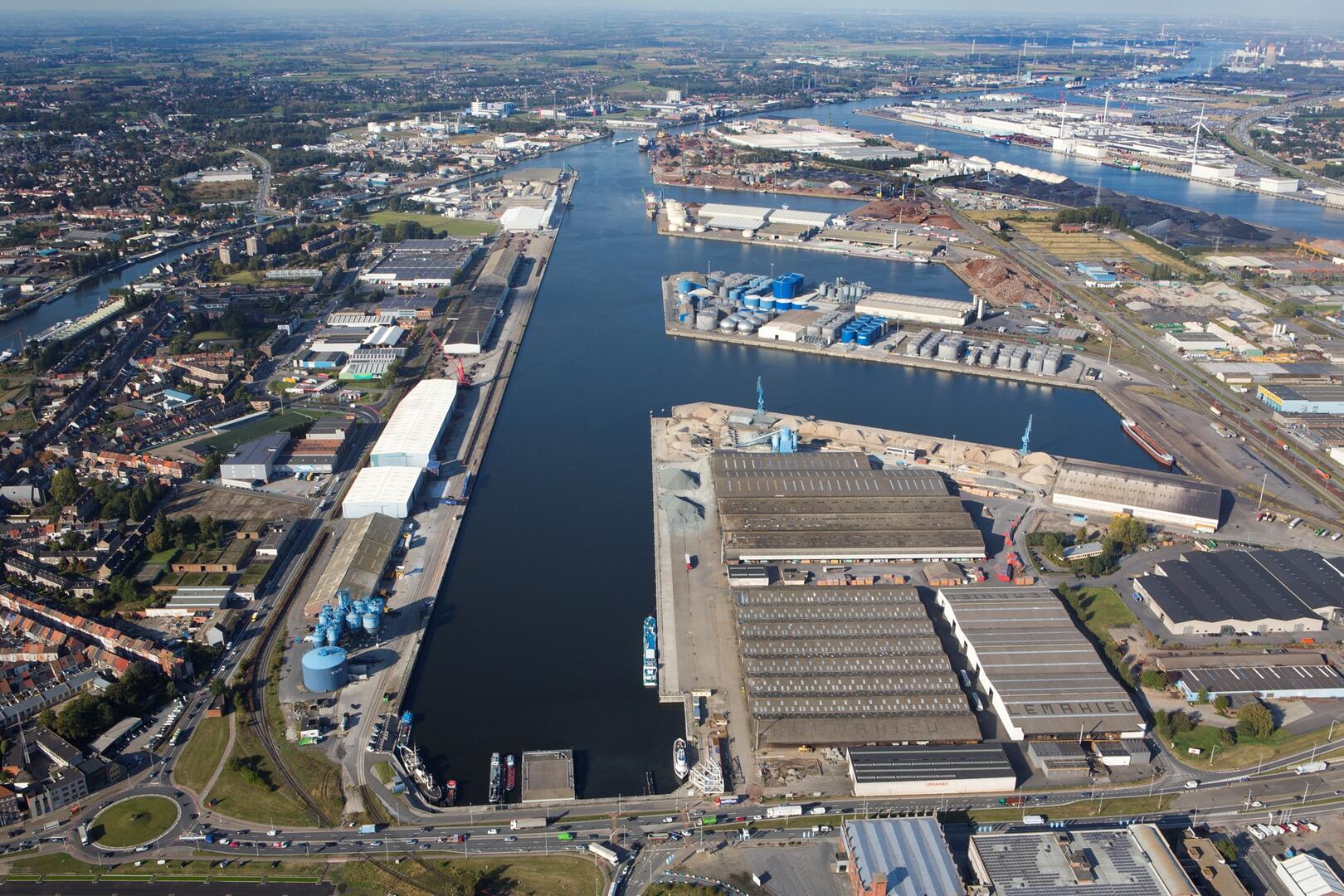
Ship Supply Ghent

Ship chandler and marine supply support in Ghent, Belgium, covering provisions, bonded stores, deck and engine consumables, safety items, electrical stores and technical procurement.

Ship Supply Ghent supports vessels calling the Ghent area with coordinated ship chandling, marine stores and technical procurement. Ghent is part of North Sea Port, a cross-border port system extending from the North Sea through Terneuzen to Ghent. The Ghent port area is an inland seaport connected to the North Sea through the Ghent–Terneuzen Canal and serves a broad industrial and logistics base. Vessel calls can therefore involve bulk carriers, general cargo vessels, RoRo traffic, project and breakbulk vessels, tankers, industrial shipping and other commercial ships linked to manufacturing, raw materials, energy, food, feed and logistics activities. This mix makes it important to review every Ghent requisition according to the vessel type, berth, terminal, ETA and requested delivery timing. A Ship Chandler Ghent request can begin with routine crew and hotel requirements. Fresh provisions may include fruit, vegetables, meat, poultry, seafood, dairy products, frozen goods, dry food, bakery items, beverages, bottled water and everyday galley requirements. Cabin stores can include laundry products, housekeeping materials, cleaning consumables, paper products, kitchen utensils, cookware, tableware and accommodation items. Bonded store requirements can be added to the same requisition where applicable. Combining these categories gives ship managers and purchasing teams a clearer overview of the complete requirement instead of handling the vessel’s catering, cabin and bonded needs through separate disconnected orders. Deck departments calling Ghent may require ropes, wires, shackles, slings, hoses, couplings, paints, brushes, rollers, maintenance materials, fasteners, tools and general marine hardware. Engine-room requirements may include filters, gaskets, seals, bearings, pumps, valves, pipes, fittings, hoses, lubricants, greases, electrical parts, batteries, workshop consumables and machinery-related stores. Many technical products look similar but differ in dimensions, material, pressure rating, voltage, connection type or manufacturer specification. To prepare a more accurate quotation, the vessel should provide part numbers, measurements, photos, drawings, maker information or nameplate details whenever the item cannot be identified from a standard description alone. Ghent marine supply requests can also include safety equipment and PPE. Helmets, gloves, safety shoes, protective clothing, goggles, face protection, respiratory items, first-aid products and general safety consumables may be required for daily vessel operations or planned maintenance. Marine chemicals, industrial cleaners, degreasers, solvents, water-treatment products and cleaning agents can be reviewed against the requested product name, pack size and application. Electrical stores such as cables, lamps, switches, sockets, fuses, contactors, connectors and batteries can also be included. For all specification-sensitive items, the quotation should clearly identify what is being proposed so the vessel can compare it with the onboard requirement before confirmation. Technical procurement for Ghent becomes particularly important when owners or superintendents need vessel-specific spare parts. These enquiries may relate to pumps, valves, motors, refrigeration and HVAC components, electrical equipment, workshop machinery, instrumentation, piping components or other technical marine items. A clear RFQ allows the supply desk to check whether an exact item is available or whether an equivalent product can be considered. When an alternative is proposed, dimensions, technical data and compatibility should be reviewed before the order is finalised. Providing the IMO number, maker, model, serial number, part number and photos from the vessel can significantly improve this process. Because Ghent is connected to the North Sea through a canal and forms part of a large industrial port system, delivery planning should follow the vessel’s actual port-call information. The berth or terminal, ETA, requested delivery time, agent contact and sailing schedule can affect how a supply is coordinated. A vessel that is already alongside with a short remaining port stay requires a different sourcing approach from a vessel whose call is known several days in advance. Early requisitions create more time to compare technical alternatives, consolidate stores and prepare products before the delivery window opens. Owners, operators and purchasing departments searching for Ship Supply Ghent or Ship Chandler Ghent services should send as much operational information as possible with the first request. The most useful RFQ includes vessel name, IMO number, ETA, ETD if known, berth or terminal, agent details, requested delivery date and the complete item list. Excel files are particularly useful for long requisitions, while PDF specifications, photographs and technical drawings can be attached for spare parts. Multiple departments can be quoted within the same enquiry, including provisions, bonded stores, cabin, deck, engine, safety, electrical, chemicals and technical spares. Our approach to Ghent ship supply is based on coordination rather than generic promises. Availability, lead time and delivery planning depend on the exact products and the confirmed vessel schedule. The aim is to give the client a practical quotation that identifies requested items clearly, highlights alternatives where relevant and keeps procurement connected to the real port call. Whether the vessel needs a routine provision order, mixed marine stores, maintenance materials or a specialised technical component, sending the requisition early gives the supply desk more time to source accurately and reduce last-minute uncertainty. Ship Chandler Ghent enquiries are often connected to vessels serving industrial, bulk, project and logistics activities. That means a Ghent Ship Chandler request can contain a broad combination of stores rather than a simple provision list. Owners and managers may require crew provisions, bonded goods, deck consumables, engine-room materials, PPE, hoses, valves, tools, electrical items and technical spare parts in the same call. A well-prepared Ship Supply Ghent RFQ should therefore identify the vessel, IMO number, ETA, berth or terminal, requested delivery time, agent contact and complete item list from the beginning. Ship Supply Ghent for provisions may include fresh vegetables, fruit, meat, poultry, seafood, eggs, dairy products, frozen food, dry stores, rice, pasta, flour, cereals, cooking oil, canned food, bakery goods, beverages, bottled water, juices and other galley requirements. Crew preferences, dietary restrictions, pack sizes and requested brands can matter. A Ship Chandler Ghent quotation should be based on the actual requisition rather than replacing the vessel’s list with a generic provision catalogue. This is particularly important when the vessel has a short port stay or needs enough provisions for a long onward voyage. Cabin and accommodation stores can be consolidated with the Ghent Ship Supply order. These items may include linens, towels, pillows, blankets, mattresses, toiletries, cleaning consumables, paper products, laundry materials, brushes, mops, buckets, garbage bags, kitchen utensils, tableware and general crew-use products. Bonded stores can also be included when applicable. By placing cabin, bonded and provision items under the same Ship Chandler Ghent RFQ, purchasing teams can review the vessel’s hotel requirements more efficiently. Deck stores are a central part of Ship Supply Ghent. Requirements can include ropes, wires, shackles, chains, slings, hooks, blocks, hoses, couplings, clamps, paints, brushes, rollers, thinners, scrapers, abrasives, fasteners, hand tools and deck-maintenance materials. Project cargo, bulk and industrial vessels may require more technical deck consumables than a routine port call. Sizes, load ratings, materials and certification can be relevant for mooring and lifting products. A Ghent Ship Chandler quotation should therefore reflect the exact technical requirement whenever the product is safety- or specification-sensitive. Engine-room requirements can cover filters, bearings, seals, gaskets, gland packing, pumps, pump spares, valves, fittings, hoses, lubricants, hydraulic oils, greases, gauges, thermometers, switches, tools, absorbents, workshop consumables and machinery-related parts. Ship Supply Ghent technical items should be quoted using maker, model, part number, dimensions and onboard photos where available. Many engine components appear similar but differ in connection, material, pressure rating or physical size, so the initial RFQ should include enough detail to avoid incorrect alternatives. Electrical stores can also be included in a Ship Chandler Ghent request. Typical items include marine cables, connectors, terminals, plugs, sockets, switches, fuses, breakers, contactors, relays, lamps, LED fittings, batteries, chargers, power supplies and sensors. Voltage, frequency, current rating and connection type may be decisive. Ship Supply Ghent sourcing is more accurate when the vessel sends the existing component’s label, nameplate or technical markings together with the requested quantity. Ghent Ship Supply can also cover marine chemicals and maintenance products. These may include degreasers, descalers, rust removers, carbon removers, tank cleaners, deck cleaners, engine-room cleaners, water-treatment chemicals, solvents and general industrial cleaning products. Chemical descriptions should include the intended application and required pack size where possible. A Ship Chandler Ghent quotation should clearly state what chemical is being proposed so the chief engineer or technical department can review compatibility before order confirmation. Safety equipment and PPE may include helmets, gloves, coveralls, safety shoes, goggles, face shields, hearing protection, masks, respiratory equipment, first-aid products and other safety consumables. For these products, size, type and applicable standard can matter. Ship Supply Ghent enquiries should identify any specific approval or certification requirement rather than assuming all PPE is interchangeable. Technical spare parts require careful sourcing. Ship Chandler Ghent technical procurement can involve pumps, valves, motors, electrical equipment, refrigeration parts, HVAC components, instrumentation, workshop machinery and other vessel-specific equipment. The vessel should send maker, model, serial number, part number, drawing, photos and dimensions where relevant. If an exact part is unavailable, an equivalent should be evaluated against the technical requirement rather than offered only because its general description looks similar. Urgent Ship Supply Ghent requests should include the actual receiving deadline. ETA, ETD, berth, terminal and agent information allow the supplier to understand how much time is available. A vessel already alongside with only a few hours before sailing creates a different procurement scenario from a vessel expected in several days. A Ship Chandler Ghent response can only be operationally useful when the urgency is connected to a real schedule. Early RFQs are therefore especially valuable. Ship Supply Ghent orders that are submitted before arrival provide more time to clarify unclear descriptions, check technical alternatives, source difficult items and consolidate the final delivery. Large Excel requisitions can combine provisions, deck, engine, electrical, safety and spare-parts sections in one file. Photos and datasheets can then support individual technical line items. Ship Chandler Ghent coordination does not end when the quotation is accepted. Vessel schedules can move, berths can change and requested delivery times can be updated. The supply plan should follow the latest confirmed operational information. Communication with the purchaser, vessel and local agent helps keep the Ghent Ship Supply delivery aligned with the actual call. Clients searching for Ship Chandler Ghent, Ghent Ship Chandler, Ship Supply Ghent or Ghent Ship Supply typically need a supplier able to manage several vessel departments at once. The most effective RFQ includes vessel name, IMO, ETA, berth or terminal, agent details, delivery date and an itemised requisition with specifications. Clear information allows quicker identification of items that can be quoted directly and items that need technical clarification. The aim of Ghent ship supply is practical procurement around a real vessel schedule. Whether the request concerns crew provisions, deck stores, engine consumables, chemicals, PPE, electrical supplies or specialised spares, each line should be treated according to its own technical and operational requirements. A focused Ship Chandler Ghent service brings those separate needs into one coordinated vessel-supply process.

Ship supply Zeebrugge Belgium
Zeebrugge Vessel Supply
03
Ship Supply • Belgium

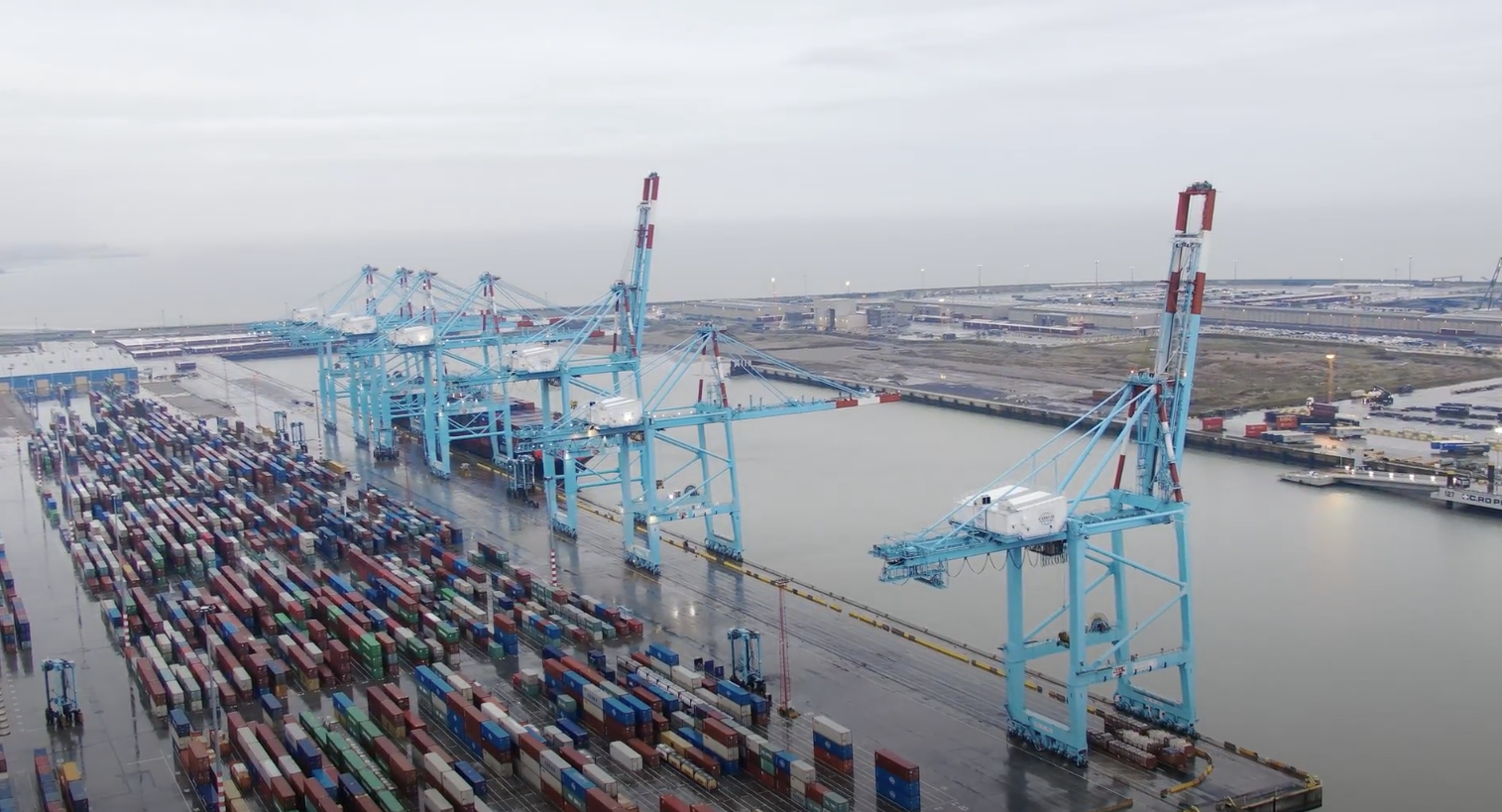
Ship Supply Zeebrugge

Ship chandler and vessel supply services in Zeebrugge for provisions, bonded stores, deck and engine stores, marine chemicals, safety equipment and technical items.

Ship Supply Zeebrugge provides coordinated ship chandler and marine procurement support for vessels calling the coastal Zeebrugge platform of Port of Antwerp-Bruges. Zeebrugge has a strong deep-sea and shortsea profile and is particularly associated with RoRo and automotive traffic, energy and gas-related activity, cruise shipping and other international maritime services. Because the port serves different vessel types and operational patterns, a Zeebrugge requisition can range from routine provisions and bonded stores to urgent deck, engine, safety and technical requirements. The supply process should therefore be planned around the vessel’s ETA, berth or terminal, requested delivery window, agent information and expected sailing schedule. Provision supply for Zeebrugge can include fresh fruit and vegetables, meat, poultry, seafood, dairy products, frozen products, dry stores, bakery goods, beverages, bottled water and crew catering requirements. Depending on the vessel’s schedule, chilled and frozen products can be prepared with the requested delivery timing in mind. Cabin and galley requirements may include detergents, paper products, housekeeping consumables, kitchen utensils, cookware, tableware, laundry materials and accommodation supplies. Bonded stores can also be incorporated into the same RFQ so that owners and managers have one consolidated quotation covering the vessel’s hotel and crew departments. Deck stores for vessels calling Zeebrugge may include mooring ropes, wire ropes, shackles, slings, chains, hoses, couplings, paints, brushes, rollers, protective coatings, tools, abrasives, fasteners and general maintenance consumables. Engine-room requests can cover filters, bearings, seals, gaskets, pumps, valves, pipes, fittings, hoses, lubricants, greases, batteries, electrical components, workshop materials and machinery consumables. RoRo, shortsea, cargo, cruise and specialist vessels may each have different operational priorities, so the item description should be detailed enough to distinguish a standard consumable from an exact technical replacement. Safety and PPE requirements can be included together with the main ship supply order. Typical categories include safety helmets, protective gloves, footwear, workwear, eye protection, respiratory protection, first-aid items and general onboard safety consumables. Marine chemicals and cleaning products may include degreasers, maintenance cleaners, water-treatment products, solvents and other vessel-specific chemical requirements. For chemical products or safety equipment with an exact standard or specification, the RFQ should state the required grade, approval, size or intended application whenever available. Technical spare-parts procurement in Zeebrugge should be supported by precise information. Makers, model numbers, serial numbers, part numbers, photos, drawings, dimensions, voltage, frequency, pressure rating, material or connection type can all be important depending on the equipment. A photograph of the nameplate can sometimes provide information that is missing from a written requisition. When the exact requested brand is unavailable, technical data allows suitable alternatives to be reviewed more carefully before the client makes a decision. This is especially important for motors, pumps, valves, electrical components, batteries, refrigeration items, HVAC parts, hoses, fittings and other products where physical compatibility matters. Zeebrugge’s coastal location and mixed maritime activity make schedule awareness essential. Some vessel calls may have relatively short operational windows, while other vessels may remain longer depending on cargo, terminal or passenger operations. The supply desk therefore needs the most recent ETA and, where available, ETD, berth or terminal and local agent contact. If the schedule changes after quotation, the delivery arrangement should be checked again. A good ship chandler workflow follows the live vessel call instead of assuming that the timing stated in the first RFQ will remain unchanged. Purchasing teams searching for Ship Chandler Zeebrugge or Ship Supply Zeebrugge can simplify the process by combining different vessel departments into one itemised requisition. Provisions, bonded stores, cabin items, deck stores, engine stores, electrical supplies, PPE, chemicals, lubricants, tools and technical spare parts can all be reviewed within the same RFQ. For large lists, Excel is preferred because quantities, units, specifications and comments can be kept clear. PDF datasheets, photos or technical drawings can be attached for items that require additional review. The objective of our Zeebrugge marine supply service is to provide a quotation that is connected to the vessel’s real requirement and port-call schedule. We avoid treating technical procurement as a simple catalogue exercise. Product description, quantity, required specification, lead time and delivery location all matter. Early submission gives more time to source alternatives, compare dimensions, arrange consolidated stores and clarify any uncertain items with the vessel before the delivery window becomes urgent. Whether the call involves a RoRo vessel, automotive carrier, cargo ship, cruise vessel, tanker or another commercial vessel, the best results come from complete information. Send the vessel name, IMO number, Zeebrugge ETA, berth or terminal, agent details, requested delivery date and the full requisition. From routine provisions to technical marine spare parts, the supply plan can then be built around what the vessel actually needs rather than around a generic list of chandlery products. Ship Chandler Zeebrugge enquiries can be highly schedule-sensitive because many vessel calls are connected to RoRo, automotive, shortsea, energy, passenger or specialised maritime operations. A Zeebrugge Ship Chandler request should therefore combine the commercial requisition with accurate port-call information. Vessel name, IMO number, ETA, berth or terminal, agent details, requested delivery time and ETD where available are all useful for understanding whether the order can be sourced, prepared and delivered within the operational window. Ship Supply Zeebrugge for provisions can include fresh fruit and vegetables, meat, poultry, seafood, dairy products, frozen food, dry goods, bakery products, cereals, flour, canned goods, beverages, bottled water, juices and crew-specific galley requirements. Shortsea and RoRo vessels may operate frequent schedules while deep-sea or specialist vessels may require larger quantities for longer voyages. A Ship Chandler Zeebrugge quotation should therefore follow the quantities and pack sizes stated by the vessel rather than assuming a standard order. Cabin and bonded stores can be included within the same Zeebrugge Ship Supply RFQ. Cabin requirements may involve linens, towels, cleaning materials, paper goods, toiletries, laundry products, kitchen utensils, tableware and general accommodation consumables. Bonded items can be quoted where applicable according to the vessel’s submitted request. Combining these categories helps the purchaser review the complete crew and hotel requirement together. Deck stores can include mooring ropes, wires, shackles, chains, slings, hooks, hoses, couplings, clamps, paints, thinners, brushes, rollers, scrapers, abrasives, fasteners, hand tools and maintenance consumables. Ship Chandler Zeebrugge requirements for RoRo or automotive vessels may differ from those of cruise, cargo, tanker or specialist ships, so the list should specify dimensions, materials, ratings and requested standards where relevant. Engine-room Ship Supply Zeebrugge requests may include filters, bearings, seals, gaskets, pumps, valves, pipe fittings, hoses, lubricants, hydraulic oils, greases, electrical components, batteries, workshop materials and machinery consumables. Technical items should be accompanied by maker, model, part number and dimensions whenever possible. A photograph of the existing item or nameplate can often prevent confusion and allow the Zeebrugge Ship Chandler supplier to compare the offered product with the onboard requirement. Electrical stores may include cables, terminals, connectors, breakers, fuses, relays, switches, sockets, lamps, LED fittings, batteries, chargers, power supplies and sensors. Voltage, frequency, current rating and connection details can be critical. Ship Supply Zeebrugge technical quotations are more useful when these specifications are available before sourcing begins. Marine chemicals may include degreasers, rust removers, descalers, tank cleaners, deck cleaners, engine-room cleaners, solvents, water-treatment chemicals and maintenance products. A Ship Chandler Zeebrugge RFQ should identify the required chemical or intended application, especially when the vessel needs a specific concentration, brand or pack size. Chemical alternatives should be clearly identified rather than presented as identical products. Safety equipment and PPE can include helmets, gloves, safety footwear, protective clothing, goggles, masks, face protection, hearing protection, first-aid consumables and other onboard safety products. Ship Supply Zeebrugge requests should identify sizes, standards and approval requirements where applicable. PPE can be routine for one vessel and specification-critical for another, so the quotation should reflect the actual request. Technical spare parts are often the most demanding category. Ship Chandler Zeebrugge technical procurement may include pumps, valves, motors, control components, instrumentation, refrigeration parts, HVAC items, electrical equipment and machinery spares. Maker, model, serial number, part number, drawing number, photos and dimensions can all help. If a substitute is proposed, the differences should be visible to the purchaser so the vessel can review compatibility before order confirmation. Urgent Zeebrugge Ship Supply orders should state the latest acceptable delivery time. A message that only says “urgent” does not provide enough operational context. ETA, ETD, berth, terminal and agent details help define the actual window. This allows the Ship Chandler Zeebrugge supplier to separate items that can realistically be sourced in time from items that require a longer lead time. Planned Ship Supply Zeebrugge requests are easier to consolidate and source. If the vessel sends its complete requisition before arrival, provisions, bonded stores, deck stores, engine stores, safety items, electrical products, chemicals, tools and technical spares can be reviewed together. This also creates more time for clarification of technical items and reduces the risk of discovering missing information only after the vessel is already alongside. Zeebrugge Ship Chandler coordination should continue after the order is placed because vessel schedules can change. The receiving location, terminal and delivery time should be reconfirmed if ETA or ETD moves. This is particularly relevant for vessels with short turnaround windows where a delay of several hours can materially change the delivery plan. Clients searching for Ship Chandler Zeebrugge, Zeebrugge Ship Chandler, Ship Supply Zeebrugge or Zeebrugge Ship Supply usually need a supplier that understands both chandlery and technical procurement. A complete RFQ should therefore include operational data and product data together. The vessel schedule explains when the goods are needed; the requisition explains exactly what goods are needed. The purpose of Zeebrugge ship supply is to turn those two sets of information into one workable procurement plan. Routine provisions, deck stores, engine consumables, PPE, chemicals and technical spares should all be reviewed according to the vessel’s actual requirements. A port-focused Ship Chandler Zeebrugge service is most effective when sourcing decisions remain connected to the live port call from quotation through delivery.

Ship supply Oostende Belgium
Oostende Ship Supply
04
Ship Supply • Belgium

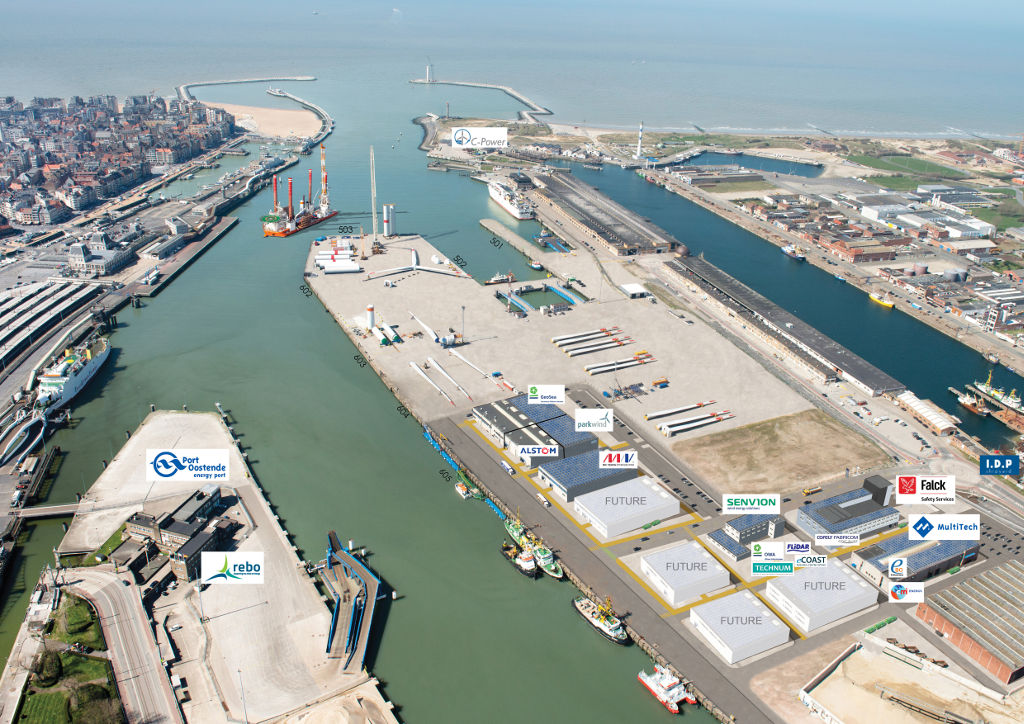
Ship Supply Oostende

Ship chandler and marine procurement support in Oostende, Belgium, for provisions, marine stores, deck and engine requirements, technical consumables and spare parts.

Ship Supply Oostende provides ship chandler, marine stores and technical procurement support for vessels calling Port Oostende in Belgium. Oostende has a distinctive maritime profile with strong activity connected to the blue economy, offshore wind, project cargo, marine engineering, fisheries and other specialised coastal operations. The port is used by offshore support and service vessels, workboats, project vessels, research and technical craft, fishing vessels and other commercial ships with different supply patterns from conventional deep-sea liner traffic. As a result, Oostende requisitions often combine routine crew stores with maintenance materials, PPE, deck equipment, tools and specialised technical items required for offshore or marine projects. Provision supply in Oostende can include fresh fruit and vegetables, meat, poultry, seafood, dairy products, frozen goods, dry provisions, bakery items, beverages, bottled water and other crew catering requirements. Offshore and service vessels can operate on demanding schedules, so the provision list should be submitted early where possible, especially when specific brands, pack sizes, dietary items or larger quantities are required. Cabin and galley supplies may include housekeeping products, detergents, paper goods, kitchen utensils, cookware, tableware, bedding, laundry products and general accommodation consumables. Bonded requirements can also be added to the same RFQ when relevant to the vessel. Deck and maintenance stores are especially important for workboats, offshore-support vessels and project-related calls. Requests may include ropes, wires, shackles, slings, chains, hoses, couplings, paints, brushes, rollers, abrasives, fasteners, hand tools, power-tool consumables, protective coatings and general marine hardware. Engine-room requirements may include filters, gaskets, seals, bearings, valves, pumps, hoses, pipe fittings, lubricants, greases, batteries, electrical parts and workshop consumables. For offshore or project operations, clients may also require lifting accessories, specialised PPE, technical consumables and replacement components connected to planned maintenance. Port Oostende’s role in offshore wind and blue-economy activity means many requisitions can be technically detailed. Marine contractors and vessel operators may need electrical stores, industrial equipment, tools, welding consumables, hoses, fittings, safety items or spare parts that cannot be identified from a simple product name. For these enquiries, the vessel should send the maker, model, part number, dimensions, material, pressure rating, voltage, photographs or drawings where applicable. If an exact product is unavailable, these details make it easier to evaluate a possible equivalent without creating unnecessary compatibility risk. Safety equipment and PPE can represent a significant part of an Oostende supply list because offshore, technical and project work often requires task-specific protective equipment. Typical enquiries may cover helmets, gloves, safety footwear, protective clothing, eye and face protection, respiratory items, fall-protection consumables, first-aid products and general marine safety stores. The requested standard, size and intended use should be stated for specification-sensitive PPE. Marine chemicals, cleaning agents, degreasers, solvents, water-treatment products and maintenance chemicals can also be quoted where the product type and application are clearly identified. Technical procurement may include pumps, valves, motors, electrical equipment, refrigeration or HVAC components, workshop equipment, piping components, instrumentation, hydraulic items or other vessel-specific spares. Nameplate photographs are particularly valuable for motors, pumps and electrical machinery. Drawings and dimensions are useful when the vessel needs a replacement with the same footprint, connection arrangement or performance requirement. The more complete the technical information, the more accurately the supply desk can separate exact matches from approximate alternatives before the client confirms an order. Oostende delivery planning should follow the vessel’s actual working schedule. Offshore service vessels and project craft can have changing operational programmes, weather-dependent activity or short turnaround periods. The berth, vessel location, ETA, requested delivery time and agent contact therefore need to be confirmed as early as possible. If the vessel’s schedule changes, the delivery plan may need to be adjusted. This is why a Ship Chandler Oostende quotation should not be treated independently from the operational information supplied by the vessel or purchasing office. Owners, managers, offshore contractors and purchasing teams searching for Ship Supply Oostende can send combined requisitions for several departments. Provisions, cabin stores, deck stores, engine stores, safety equipment, electrical items, tools, chemicals, lubricants and technical spares can all be reviewed within one RFQ. Excel requisitions help organise large lists, while PDF specifications, photos and drawings support technical sourcing. The vessel name, IMO number, ETA, berth or operational location, agent details and requested delivery date should accompany the list. Our approach to Oostende ship supply is intended to be practical for a port where specialist marine activity is important. Rather than filling the quotation with generic chandlery claims, we focus on the actual products, specifications and timing submitted by the client. An offshore-support vessel requiring urgent PPE and hydraulic items needs a different procurement plan from a fishing vessel requiring provisions and maintenance stores or a project vessel requesting lifting equipment and technical spares. Understanding that difference is essential to preparing a useful quotation. For the best result, send the Oostende requisition before the vessel arrives whenever possible. Early information creates time to review difficult items, confirm technical details, source alternatives and consolidate the order. Whether the requirement is routine provisions, a mixed marine-store order, offshore maintenance consumables or vessel-specific spare parts, Ship Supply Oostende is organised around the vessel’s confirmed requirement, port-call information and requested delivery window. Ship Chandler Oostende enquiries are often connected to offshore support, wind-energy, marine engineering, workboat, fishing, project and specialist coastal operations. These vessels can have very different supply profiles from conventional liner vessels. An Oostende Ship Chandler request may combine provisions, workwear, lifting accessories, hoses, tools, hydraulic items, engine consumables, electrical products and technical spares within the same call. A complete Ship Supply Oostende RFQ should therefore identify both the operational schedule and the technical scope of the request. Ship Supply Oostende for provisions can cover fresh fruit and vegetables, meat, poultry, seafood, dairy products, frozen food, dry provisions, canned goods, bakery products, beverages, bottled water and other galley requirements. Offshore and service vessels may have rotating crews and irregular operating schedules, so quantities, dietary requirements and requested brands should be stated clearly. A Ship Chandler Oostende quotation should follow the submitted list rather than relying on a generic provision package. Cabin stores and accommodation items can include linens, towels, bedding, cleaning materials, detergents, paper goods, toiletries, garbage bags, brushes, mops, kitchen utensils, cookware and tableware. These can be combined with provisions and bonded items where applicable. Consolidating the crew-related categories within one Oostende Ship Supply request can reduce fragmented purchasing and make the overall vessel requirement easier to review. Deck stores are especially relevant to offshore and project activity. Ship Chandler Oostende requests may include ropes, wire ropes, shackles, slings, chains, hooks, blocks, lifting accessories, hoses, couplings, clamps, paints, coatings, brushes, rollers, abrasives, fasteners and maintenance tools. Load ratings, dimensions, materials and certification can be important for lifting and mooring products. The RFQ should identify these requirements clearly so that an unsuitable general-purpose item is not quoted for a specialist application. Engine-room Ship Supply Oostende requests can include filters, seals, gaskets, bearings, pumps, valves, hydraulic hoses, pipe fittings, lubricants, hydraulic oils, greases, electrical components, batteries, workshop consumables and machinery-related spares. Offshore service and technical vessels may also request hydraulic fittings, pressure-rated hoses, adapters and specialised maintenance products. Maker, model, part number, dimensions and onboard photos can significantly improve sourcing accuracy. Electrical requirements may include marine cables, plugs, sockets, connectors, terminals, breakers, fuses, relays, contactors, lamps, LED fittings, batteries, chargers, power supplies, sensors and workshop electrical tools. Voltage, frequency, current rating, ingress-protection requirement and connection type can matter. A Ship Chandler Oostende technical quotation should identify the offered specification clearly. Marine chemicals and maintenance products can include degreasers, rust removers, descalers, cleaners, solvents, water-treatment products and application-specific chemicals used during vessel or project maintenance. Ship Supply Oostende requests should state the intended use and required pack size. For exact-brand chemicals or products subject to a technical specification, the offered alternative should not be treated as equivalent without review. Safety equipment and PPE can be particularly important for offshore and project vessels. Oostende Ship Chandler requisitions may include helmets, gloves, safety footwear, coveralls, high-visibility clothing, goggles, face shields, hearing protection, respiratory protection, harness-related consumables, first-aid supplies and other protective products. Size, standard, certification and task application may be relevant, especially where equipment is used for offshore maintenance or industrial work. Technical spare-parts procurement can include pumps, motors, valves, hydraulic components, electrical equipment, refrigeration units, HVAC items, instrumentation, workshop machinery and specialised project equipment. Ship Supply Oostende sourcing should use maker, model, serial number, part number, drawing, dimensions and nameplate photos where available. The more exact the technical data, the easier it is to distinguish an acceptable replacement from a product that only looks similar. Urgent Ship Chandler Oostende requests should be linked to the vessel’s latest operational schedule. Offshore and workboat programmes can change due to weather, project activity or operational priorities. ETA, berth, current vessel location, requested delivery time and agent contact are therefore important. If the vessel is expected to sail for an offshore assignment, the latest acceptable delivery deadline should be stated clearly. Planned Oostende Ship Supply orders benefit from early requisition submission. More time allows difficult technical items to be checked, PPE sizes to be confirmed, hose and fitting specifications to be reviewed and different departments to be consolidated. A complete Excel requisition can include provisions, cabin, deck, engine, safety, electrical and spare-parts sections in one structured file. Ship Chandler Oostende coordination should remain flexible because operational changes can affect delivery timing. If the vessel shifts berth, changes sailing time or moves between port and offshore activity, the supply plan may need to be updated. Communication between purchaser, vessel and agent helps keep the Oostende Ship Supply arrangement aligned with the actual operation. Clients searching for Ship Chandler Oostende, Oostende Ship Chandler, Ship Supply Oostende or Oostende Ship Supply are often looking for support that can handle both ordinary chandlery and technical marine requirements. The best first request includes vessel name, IMO number, ETA, berth or operational location, agent details, requested delivery date and the complete requisition. Photos and technical documents should be attached for items that cannot be identified reliably from a short description. Oostende ship supply should reflect the specialist character of the vessels using the port. A workboat requiring PPE and hydraulic fittings, an offshore-support vessel requiring deck stores and technical consumables, or a fishing vessel requiring provisions and maintenance items all create different procurement needs. A focused Ship Chandler Oostende service treats each requisition according to the vessel type, specification and available delivery window rather than applying the same generic product list to every call.

Port-Specific Coordination

The Port Call Shapes the Supply Plan.

Vessel type, requisition scope, location, ETA and requested delivery timing all influence how a marine supply requirement is coordinated.

directions_boat

Vessel

Vessel type and department requirements determine the requested supply scope.

location_on

Port Location

Berth, terminal and port-call information support practical delivery planning.

schedule

Schedule

ETA and requested delivery timing guide sourcing and supply coordination.

Marine Supply Categories

Supply Support Across Vessel Departments

Requisitions may include crew, deck, engine, safety, electrical, workshop and technical requirements within the same Belgian port call.

restaurant

Provisions & Bonded Stores

Fresh, frozen and dry provisions, bonded stores, cabin consumables and galley requirements.

anchor

Deck & Engine Stores

Deck consumables, engine-room stores, tools, hoses, fittings, lubricants and maintenance materials.

health_and_safety

Safety & PPE

Marine safety equipment, PPE and general onboard safety consumables according to the requisition.

precision_manufacturing

Technical Spare Parts

Vessel-specific parts and equipment sourced by maker, model, specification, drawing or part number.

Vessel Calling Belgium?

Send Your Requisition to Our Supply Desk.

Include vessel details, port of call, ETA and requested supplies. PDF, Excel and Word requisition files can be attached directly through the RFQ form.